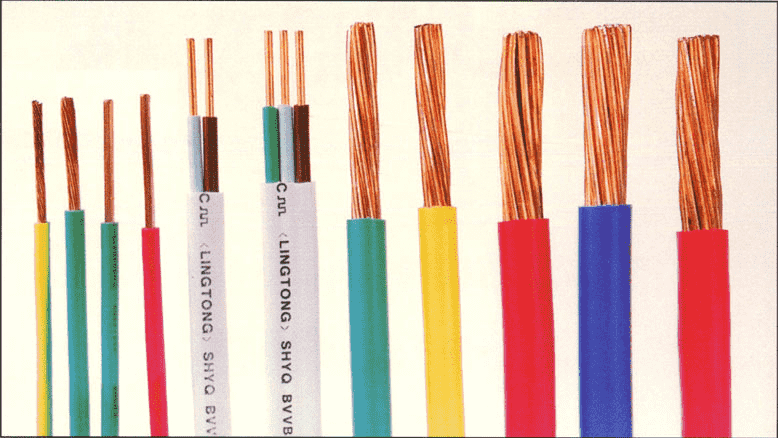

In the extremely harsh operating environment of aero engines, 250°C-resistant PEEK cables (polyetheretherketone insulated cables) have become a key component of modern high-performance aircraft electrical systems due to their unique comprehensive performance. The following are the core applications and value of TSTS CABLE’s 250°C-resistant PEEK cables for aero engines :
I. Typical Application Scenarios of TST CABLE 250℃ Resistant PEEK Cables for Aero Engines
Engine body wiring
Used to connect sensors (such as temperature, pressure, and vibration sensors), ignition systems, fuel control units, etc.
When directly exposed to the high-temperature zone of the engine compartment (>200℃), traditional PVC or silicone cables are prone to aging and failure, while PEEK cables can operate stably for a long time.
Nacelle and accessory systems
It provides power and signal transmission for accessories such as oil pumps, starters, and generators.
Maintain insulation integrity in environments with high vibration, oil mist, and salt spray.
Auxiliary Power Unit (APU)
The APU startup and monitoring circuits need to withstand instantaneous high temperatures (up to 260°C), and PEEK cables meet the short-term over-temperature requirements.
Firewall crossing cables
By utilizing the UL94 V-0 flame retardant rating and low-smoke halogen-free properties of PEEK material, it is ensured that the circuit will not short-circuit or release toxic gases in the event of a fire.
II. Why choose TST CABLE aircraft engine PEEK cable with a temperature resistance of 250℃ ?
| Performance indicators | PEEK cable performance | Aviation value |
| Long-term operating temperature | ≥250℃ | Meets the requirements of high-temperature environments around the engine |
| Short-term temperature resistance | Temperatures can reach 260–300℃ | Handling instantaneous overheating during startup/failure |
| density | ≈1.3 g/cm³ | More than 50% lighter than metal-sheathed cables, helping to reduce weight. |
| Chemical resistance | Resistant to aviation fuel, hydraulic oil, and lubricating oil | To avoid swelling or embrittlement of the insulation layer |
| Mechanical strength | High tensile strength, bending strength, and fatigue resistance | Adapt to engine high-frequency vibration |
| Electrical insulation | High dielectric strength and low loss | Ensuring signal integrity, especially suitable for FADEC systems |
| Certification Compliance | Compliant with military aviation standards such as MIL-DTL-24643, GJB, and AS. | Meets airworthiness certification requirements |
III. Practical Engineering Value
✈️ Enhanced safety: It can maintain circuit function under extreme conditions such as high temperature and fire, and support redundancy of critical systems.
⚖️ Weight reduction: Replacing gold with plastic reduces the overall weight of the wiring harness, directly improving fuel efficiency and range.
Extend lifespan: Reduce maintenance frequency due to cable aging and lower total lifespan cost.
Environmentally compliant: Halogen-free, low-smoke, and non-toxic combustion products, meeting modern aviation environmental standards (such as REACH and RoHS).
IV. Representative Models and Trends
It has been applied to engine monitoring systems of advanced aircraft such as the C919, ARJ21, Boeing 787, and Airbus A350.
In next-generation military engines (such as adaptive variable cycle engines) and electric vertical takeoff and landing (eVTOL) aircraft, TST CABLE PEEK cables are the preferred choice due to the high power density cabling requirements.
TST CABLE ‘s 250℃-resistant PEEK cables for aero-engines are not only a material upgrade, but also a key technological support for the reliability and lightweighting of aero-electrical systems. As aerospace equipment develops towards higher temperatures, smaller spaces, and greater intelligence, the application of PEEK cables will become increasingly widespread, becoming an indispensable “nerve fiber” in high-end manufacturing.
Also available in:
 English