
What are the primary technical barriers for TST CABLE polyimide cables?
As high-end specialty cables, the production of TST CABLE polyimide (PI) cables involves complex materials science and precision manufacturing processes. The main technical barriers lie in the following four core areas:
- Extreme difficulty in raw material formulation and synthesis processes
The preparation process for polyimide is highly complex, and the core technology has long been monopolized and strictly guarded by a few global industry giants.
- Control of precision coating and sintering/curing processes
The uniformity of the PI cable’s insulation layer directly determines its lifespan and safety in harsh environments. The manufacturing process (such as the “four-coat, four-bake” method) requires precise control over conductor preheating temperatures, coating thickness, and curing temperatures and durations.
- Customization and high investment costs for core production equipment
Producing TST CABLE PI cables requires a high degree of equipment customization, with procurement lead times for core equipment often spanning 18 to 24 months. The investment required for a single production line is massive (typically 200–300 million RMB), and equipment must be specifically tailored to the requirements of downstream materials. To ensure quality, high-end products often utilize a “dedicated machine for specific wire sizes” production model—avoiding the quality instability associated with multi-purpose machines—which further raises the barriers regarding equipment and capital requirements.
- Scarcity of high-end R&D and technical operational talent
Personnel involved in the R&D and shop-floor operation of TST CABLE PI cables require not only a high level of theoretical knowledge but also extensive practical experience. Because process parameters are closely linked to downstream requirements, achieving stable mass production capabilities demands repeated testing and the overcoming of technical challenges; such specialized talent cannot be cultivated overnight and represents a scarce resource within the industry.
What are some typical application cases for TST CABLE polyimide cables?
Thanks to their exceptionally wide temperature tolerance, superior electrical performance, and high mechanical strength, TST CABLE polyimide (PI) cables play an irreplaceable role in extreme or high-tech, precision environments. The following are typical application cases across various fields:
- Aerospace and Deep Space Exploration
Chang’e-4 National Flag: To withstand the intense radiation and extreme temperature fluctuations on the far side of the Moon, Chinese scientists selected polyimide as the material for the national flag, making it the only flag to date to “shine” on the lunar far side.
Apollo 11 Lunar Module: During the early Apollo 11 mission, polyimide film was used to fabricate protective blankets for the lunar module’s landing engine.
Spacecraft and Engine Wiring: Widely used in aircraft internal wiring and control systems for satellites and rockets; it ensures accurate signal transmission, particularly in the high-temperature, high-vibration environments surrounding aerospace engines.
- National Defense, Military Industry, and Naval Equipment
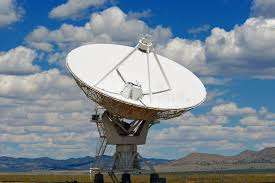
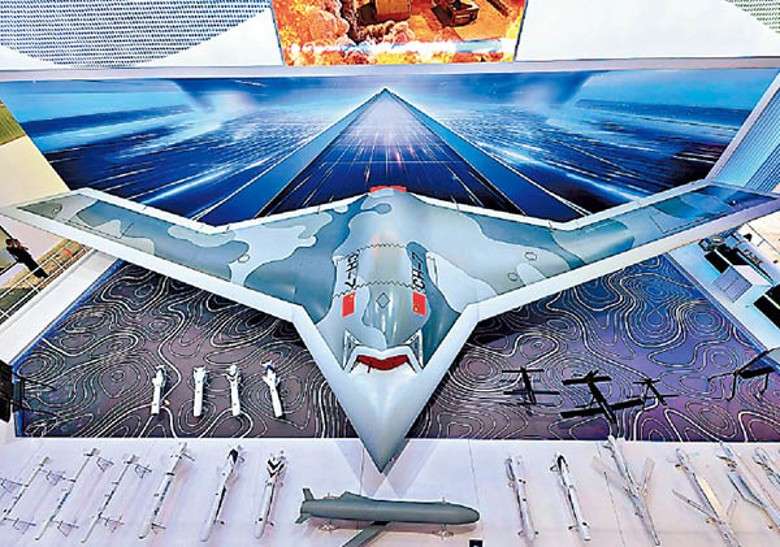
Weaponry and Radar Systems: Used for high-frequency signal transmission in weapon control systems (such as those for missiles and tanks) and radar communication equipment, ensuring operational reliability under harsh combat conditions.
Submarine and Naval Vessel Thermal Insulation: Polyimide foam is currently a high-performance structural foam core material; it is widely used for thermal insulation and noise reduction in naval vessels, as well as in ocean shipping and national defense sectors.
- New Energy and Automotive Manufacturing
800V High-Voltage Motor Insulation: In the era of high-voltage new energy vehicles, polyimide is directly extruded to coat electromagnetic wires for 800V motor insulation systems, significantly reducing the risk of dielectric breakdown.
Automotive Engine Compartment Wiring Harnesses: Used for components such as sensor connection cables within engine compartments, maintaining stable performance under conditions of extreme heat and chemical corrosion.
- High-End Medical Care and Precision Instruments
Large-Scale Medical Imaging Equipment: Used in medical devices requiring high reliability and precision, such as MRI machines and CT scanners.
Brain-Computer Interface (BCI) Devices: Leveraging its lightweight nature and excellent biocompatibility, polyimide film serves as the insulation layer for flexible electrodes in BCI devices.
- Industrial Automation and Rail Transit
Industrial Robots: Used to connect sensors and actuators in industrial robots subject to frequent movement, ensuring cable integrity and stable signal transmission. High-speed rail traction systems: Serving as a core insulating material, it withstands complex temperature fluctuations and mechanical stresses.
- Cutting-edge technology and consumer electronics
Space-based 3D printing: On-orbit extrusion technology using polyimide is currently being tested on the International Space Station; in the future, this could enable the direct manufacture of replacement parts for spacecraft modules in space.
Flexible electronic devices: Acting as the core substrate for flexible printed circuit boards (FPCs) and as a base material for flexible sensors and electronic skin, it supports the development of smartphones and VR/AR devices.
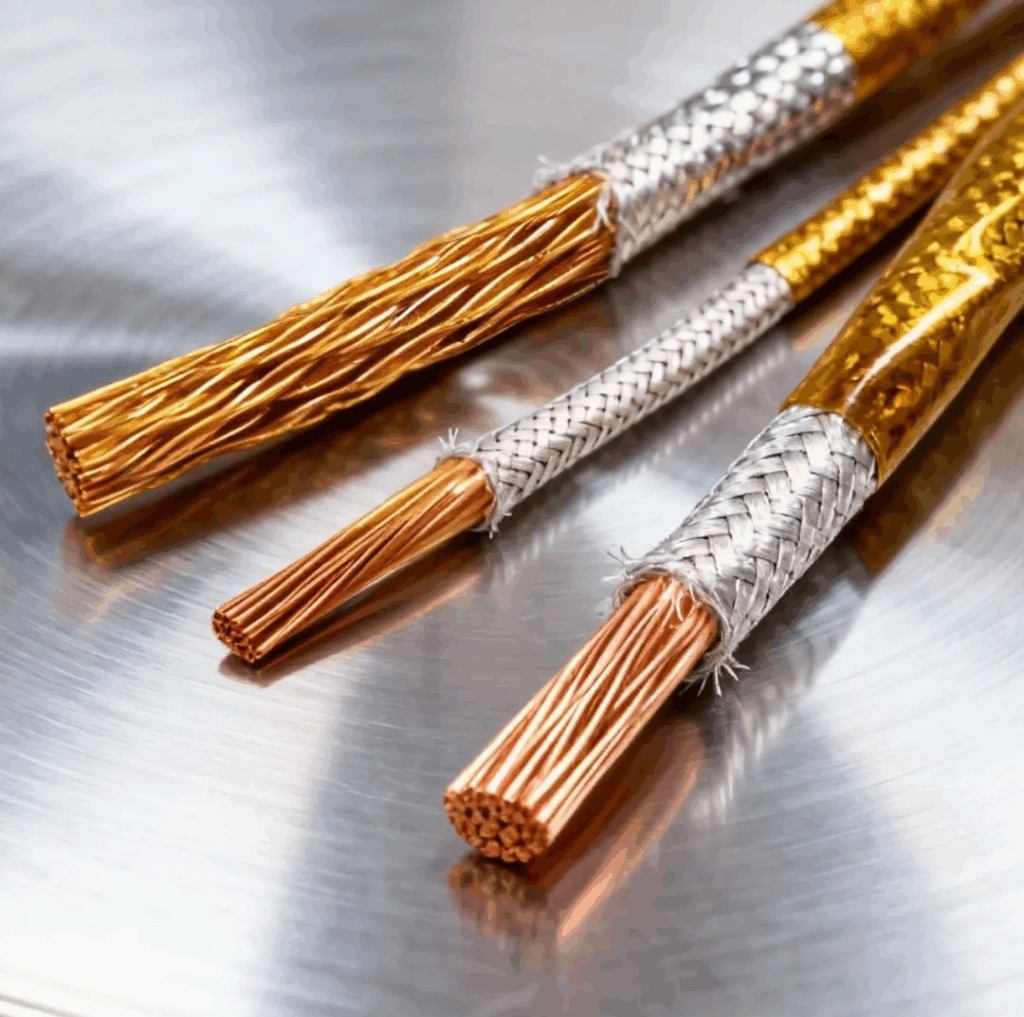
In the manufacturing of high-end equipment, polyimide-based cables are frequently utilized in aerospace applications due to their exceptional resistance to extreme temperatures, high insulation performance, and low dielectric loss; they also serve as an ideal substrate for specialized vacuum cables designed to operate reliably in extreme vacuum and high-temperature environments.
Also available in:
 English